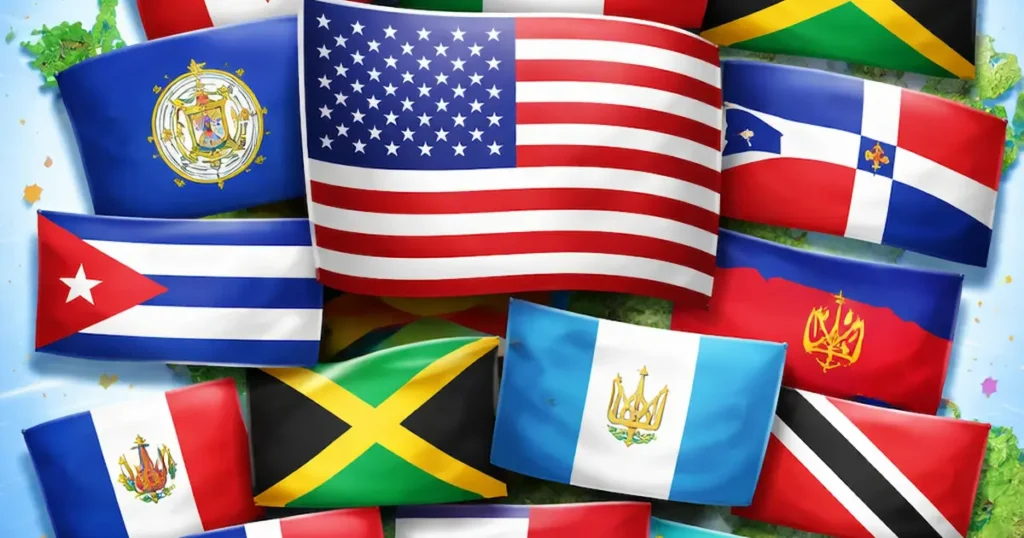
Test your knowledge of world flags with our interactive FlagBeacon – Find the Flags of the World Quiz! Challenge yourself to recognize flags from every continent, from the most common to the lesser-known. Whether you’re a geography enthusiast, a student, or just love a fun brain teaser, this quiz will sharpen your flag-spotting skills and teach you interesting facts about each country. Share your score with friends and see who can identify the most flags correctly!
| # | Player | Streak | Date |
|---|---|---|---|
| Loading… | |||
| # | Player | Streak | Date |
|---|---|---|---|
| Loading… | |||
🌍 Fun Facts About Country Flags
- 🇳🇵 Nepal has the only non-rectangular national flag – it’s made of two stacked triangles!
- 🇷🇴 Some flags look almost identical – Romania and Chad have nearly the same tricolor design.
- 🇺🇸 The United States flag has changed 27 times – it grows stars as new states join the union.
- 🇱🇷 Liberia’s flag is modeled after the U.S. flag, reflecting its history as a settlement for freed American slaves.
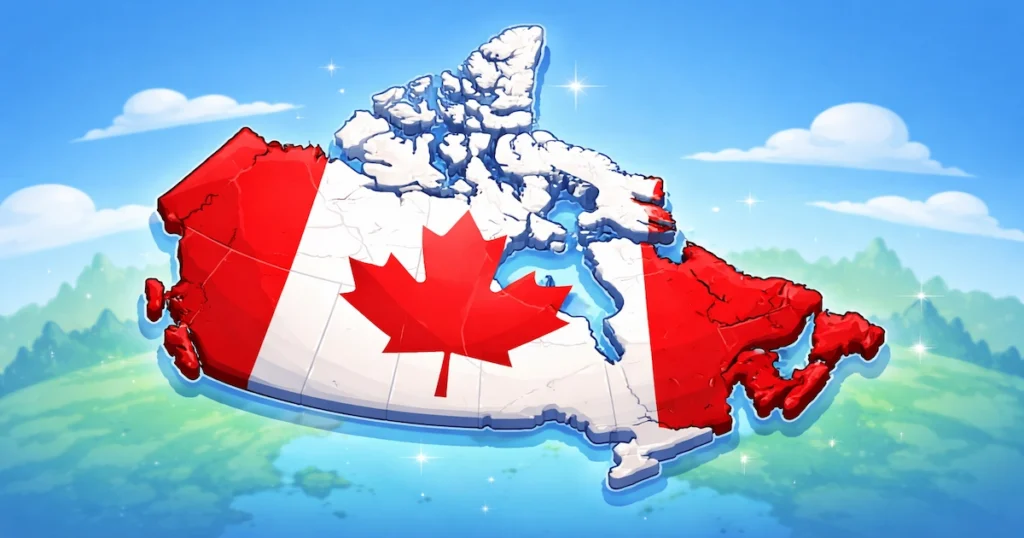
- 🍁 The maple leaf on Canada’s flag represents unity and nature.
- 🐉 Bhutan’s flag features a dragon – representing strength and spiritual traditions.
- 🇯🇵 Japan’s flag is called the “Nisshoki” or “Hinomaru,” symbolizing the sun.
- 🏅 Some flags temporarily change for events like the Olympics, with alternate symbols or designs.
- 🇩🇰 The oldest national flag still in use is Denmark’s “Dannebrog,” dating back to the 13th century.
Why Do So Many Countries Have Similar Flags?
If you’ve ever taken a geography quiz, you’ve probably noticed something frustrating: many national flags look almost identical. It’s easy to confuse countries like Romania and Chad, or mix up Indonesia and Monaco at a glance.
So why does this happen? Are countries copying each other, or is there a deeper historical and cultural explanation? In reality, similar-looking flags are the result of shared history, symbolism, and practical design choices rather than coincidence alone.
1. Shared History and Cultural Connections
One of the main reasons flags look alike is that many countries share historical or cultural roots. When nations are connected through language, ethnicity, or political movements, they often adopt similar colors and symbols to reflect that unity.
A good example is the use of red, white, and blue in several Eastern European countries. These colors are known as the Pan-Slavic colors, which were popularized in the 19th century during movements that aimed to unite Slavic peoples.
Countries such as Russia, Serbia, and Slovakia all use variations of these colors. While their flag designs differ, the shared palette reflects a common cultural and historical identity.
2. Influence of Major Historical Events
Some flag similarities come from major political revolutions and global shifts in power. When influential countries adopt new symbols, others often follow.
One of the most important examples is the French flag. After the French Revolution in the late 18th century, the tricolour design (blue, white, and red vertical stripes) became associated with ideas like liberty, equality, and democracy.
As these ideas spread across Europe and beyond, other nations adopted similar tricolour designs—sometimes with different colors or orientations, but inspired by the same concept.
3. Regional Identity and Solidarity
In many parts of the world, countries use similar color schemes to show regional unity and shared political history.
For example, many African nations use combinations of red, green, yellow, and black. These are often referred to as Pan-African colors and are associated with independence movements in the 20th century.
Countries like Ghana, Senegal, and Cameroon incorporate these colors into their flags. While each flag has its own design, the shared palette reflects a broader sense of identity and solidarity across the continent.
4. Simplicity in Flag Design
Flags are designed to be simple and easily recognizable from a distance. Unlike detailed artwork, flags must be visible when flying, moving, or viewed from far away.
Because of this, most flags rely on:
- Basic geometric shapes like stripes or crosses
- A limited number of colors
- Clear, bold patterns
There are only so many ways to combine these elements effectively. As a result, overlap in design is almost inevitable, especially when many countries are drawing from the same historical influences.
5. Coincidence and Independent Design
In some cases, similar flags are simply the result of coincidence. Different countries may independently choose the same colors and layouts without directly influencing each other.
A well-known example is Romania and Chad. Both flags feature vertical stripes of blue, yellow, and red. The only noticeable difference is that Chad uses a slightly darker shade of blue.
These similarities can make flag identification surprisingly difficult, even for experienced geography enthusiasts.
6. Colonial History and Legacy
Colonialism has also played a major role in shaping national flags. Many countries that gained independence in the 19th and 20th centuries were previously ruled by European powers.
While newly independent nations often created their own flags, they sometimes retained elements influenced by their colonial past or adopted styles that were already common in the region.
Over time, these influences blended with local symbolism, leading to groups of countries with visually similar flags.
7. Symbolism Matters More Than Uniqueness
When countries design flags, their primary goal is not originality—it’s meaning. Colors and symbols are chosen because they represent important aspects of national identity.
For example:
- Red often represents sacrifice or struggle
- Green can symbolize land, agriculture, or religion
- Blue may represent freedom, water, or the sky
- Yellow or gold often symbolizes wealth or prosperity
Because many countries share similar values and histories, they often choose the same symbolic colors, which leads to similar-looking flags.
Why This Matters for Geography Quizzes
These similarities are exactly what make flag quizzes both challenging and fun. Instead of relying purely on memorization, recognizing patterns, historical connections, and subtle differences becomes key.
The more you understand the stories behind flags, the easier it becomes to tell them apart—and the better you’ll perform on even the hardest geography quizzes.
Final Thoughts
Similar flags are not the result of copying or lack of creativity. They are shaped by shared history, cultural identity, political movements, and practical design rules.
Once you start noticing these patterns, flags become much more than simple designs—they become symbols of history, identity, and global connections.